
The True Cost of Flushable Wipes: Why Convenience Comes at a Price
June, 2026
Flushable wipes have quickly become a bathroom staple, marketed as a cleaner and more convenient alternative to toilet paper. But despite their name, these wipes often create serious problems far beyond your bathroom.
From plumbing disasters to environmental damage, the true cost of flushable wipes is much higher than most people realize.
The Flushable Myth
Unlike toilet paper, which is designed to break down quickly in water, flushable wipes remain intact long after they’re flushed.
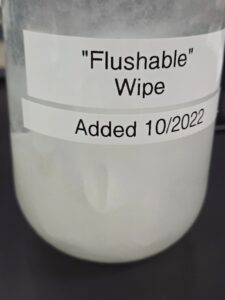
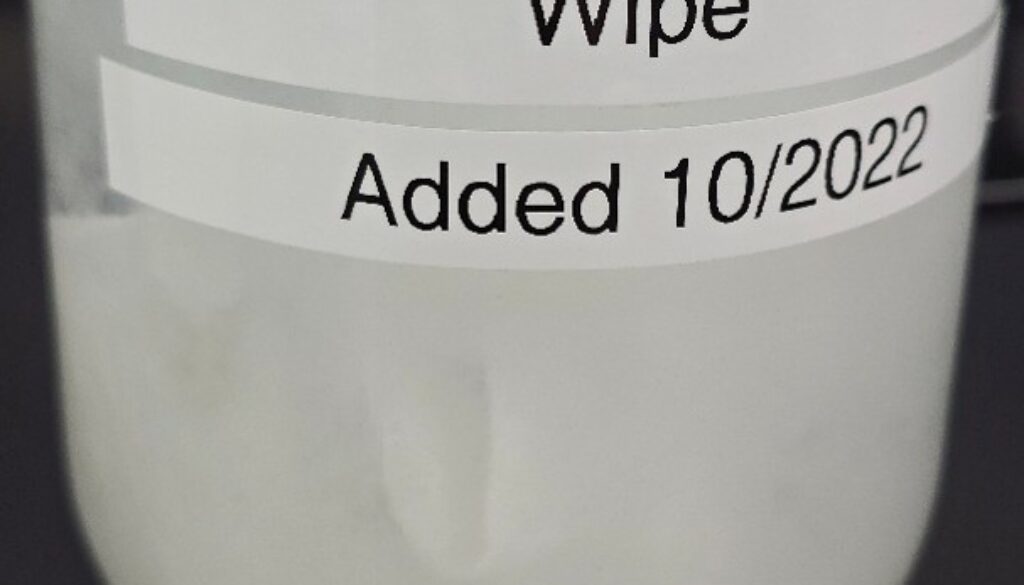
This is a photo of a wipe experiment that started in October of 2022. The wipe has cautiously been in water and shaken vigorously hundreds of times. The photo was taken in June of 2026. It is a little hard to see but the wipe has maintained its structure and not dissolved.
These wipes:
- Don’t dissolve quickly
- Stay structurally strong
- Can snag and accumulate inside pipes
In real-world conditions, they behave nothing like toilet paper.
The Hidden Cost to Homeowners
Flushing wipes may seem harmless—but the financial impact can be significant.
Common problems include:
- Persistent toilet clogs
- Blocked sewer lines
- Sewage backups into the home
Repair costs can range from a few hundred to thousands of dollars, depending on the severity.
The Multi-Million Dollar Burden on Cities
Municipal sewer systems are under constant strain from wipes.
When combined with grease and debris, wipes form massive blockages called fatbergs.

This photo shows the debris collected on a steel pipe that had made its way into the sewer. Everything that looks like seaweed is wipes and towels that were sent down the drain.
The Sanitary District and your local municipality spend tens of thousands each year on:
- Pipe maintenance
- Equipment repairs
- Emergency cleanups
The Sanitary District of Decatur has recently spent over $175,000 cleaning the contents of a digester. This cost includes equipment breakdowns caused by wipes, special filter equipment, hundreds of hours spent by employees closely monitoring the process and cleaning the wipes out of the filters and landfill disposal costs. These costs are ultimately passed on to residents through higher user fees.
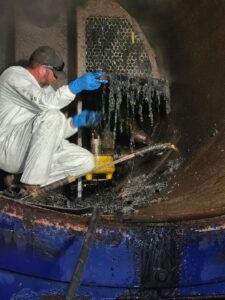
This photo shows a SDD employee hand cleaning clogged filter screens inside a Vactor truck after sucking one load of debris from the bottom of a digester.
Environmental Impact You Don’t See
Many wipes contain plastic fibers that contribute to microplastic pollution.
Environmental effects include:
- Water contamination
- Harm to aquatic life
- Long-term ecosystem damage
Even “biodegradable” wipes often don’t break down outside controlled environments.
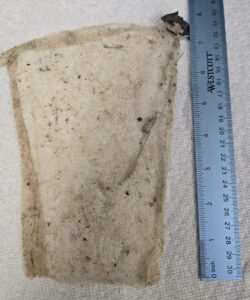
This is a photo of a wipe that was part of the debris in the picture from the inside of our Vactor truck after it became clogged while cleaning the digester. The wipe has been through chopper pumps in the collection system, 1/4 inch screens when it entered the treatment plant, pumped into the digester tank where it spent multiple years, sucked out of the tank, and is still intact and recognizable as a wipe.
Why Labeling Is Misleading
The term “flushable” is not strictly regulated in many places. As the result of legal challenges, manufactures now include language or symbols indicating not to put wipes in toilets; however, they are still marketed as flushable.
The wipes are “flushable” from the standpoint that they usually do not clog toilets directly and move through normal pipes with little resistance. The problems begin when wipes get stuck in pipes that are already narrowed by tree roots and other non-flushable items like Fats, Oils and Grease and when they are caught in screens.
Th gap between the marketing and reality leads to confusion and costly consequences for consumers.
Alternatives To Flushing Wipes
Instead of flushing wipes, consider:
- Toilet paper + water
- Bidet attachments
- Throwing wipes in the trash
These options provide better cleaning without the damage.
Final Takeaway
Flushable wipes offer convenience—but at a hidden cost to your home, your city, and the environment.
The next time you see “flushable” on the label, think twice.
Just because you can flush it doesn’t mean you should.